First mentioned
Igate Castle was first mentioned in written records in 1455, when Idsel Diederich Vietinghoff sold the village and manor to Peter von der Borch.
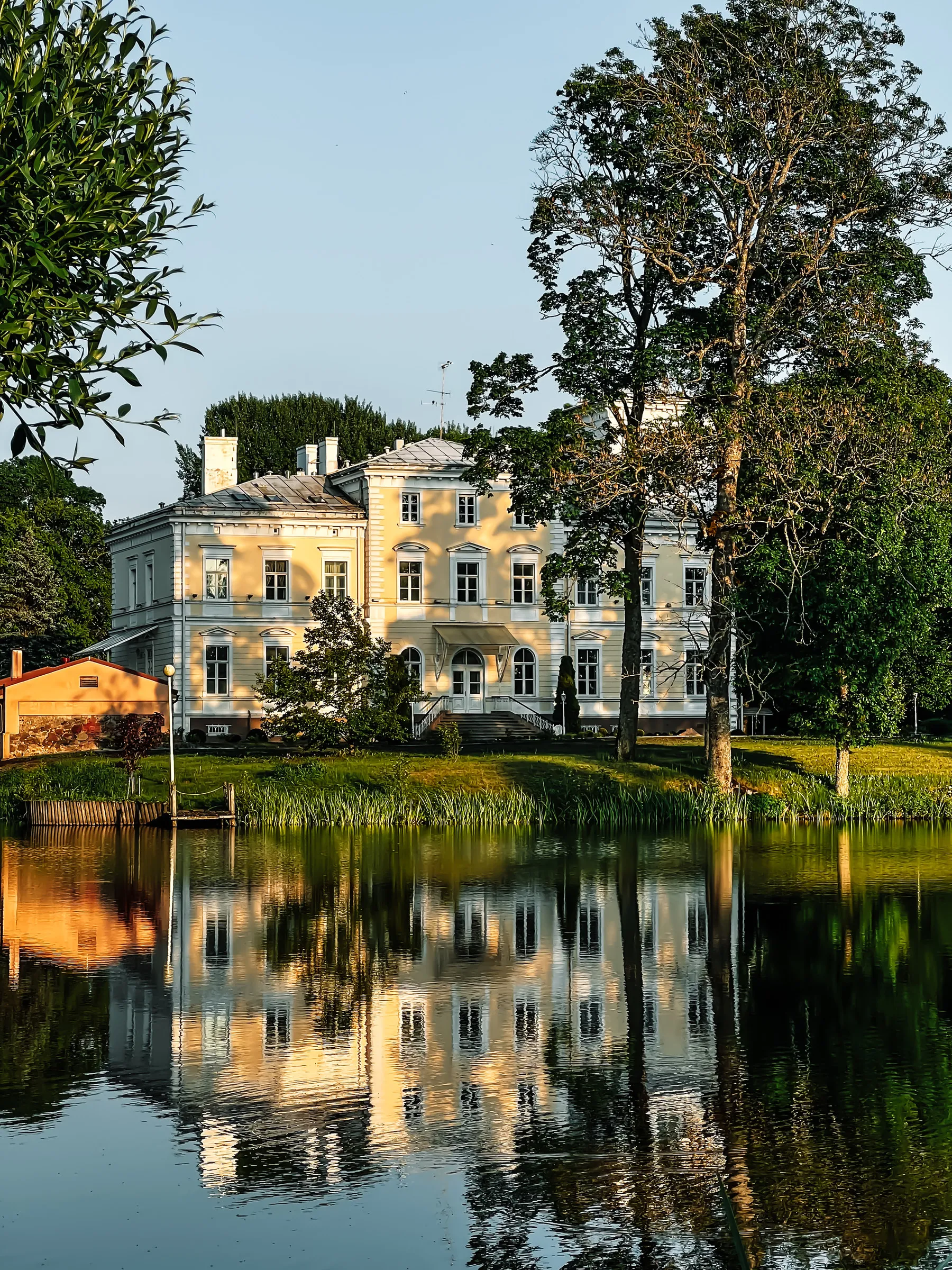
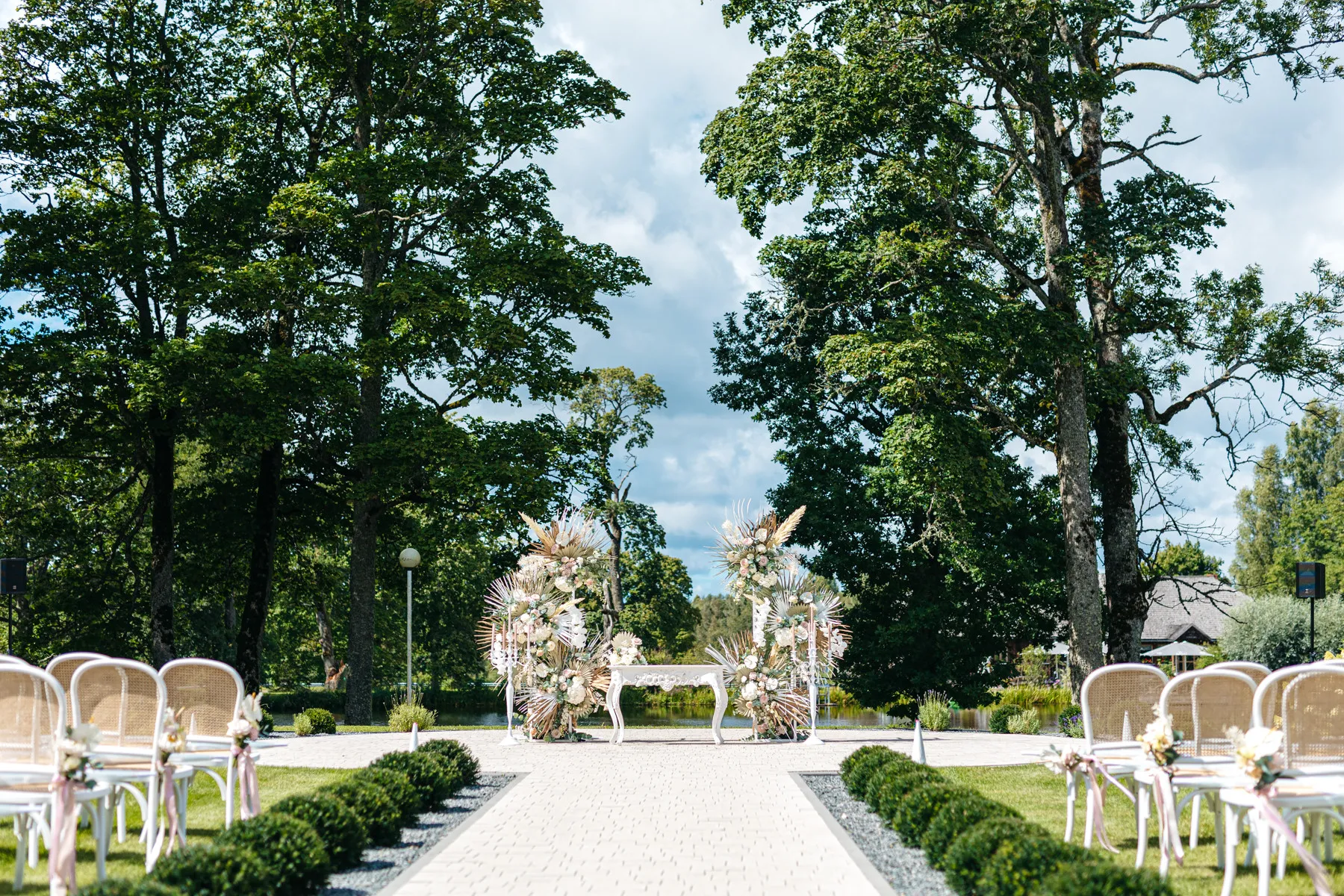
There are places where the past lives on only in archives. And there are places where it is still present — in the walls of the buildings, in the old trees, in the reflection on the pond and in the quiet of the castle park. Igate Castle is one of those places.
01
Its story begins more than five centuries ago. The first written records of Igate date back to 1455, when the manor was known as Idsel. Over the centuries owners, generations and eras came and went, yet the place itself lived on.
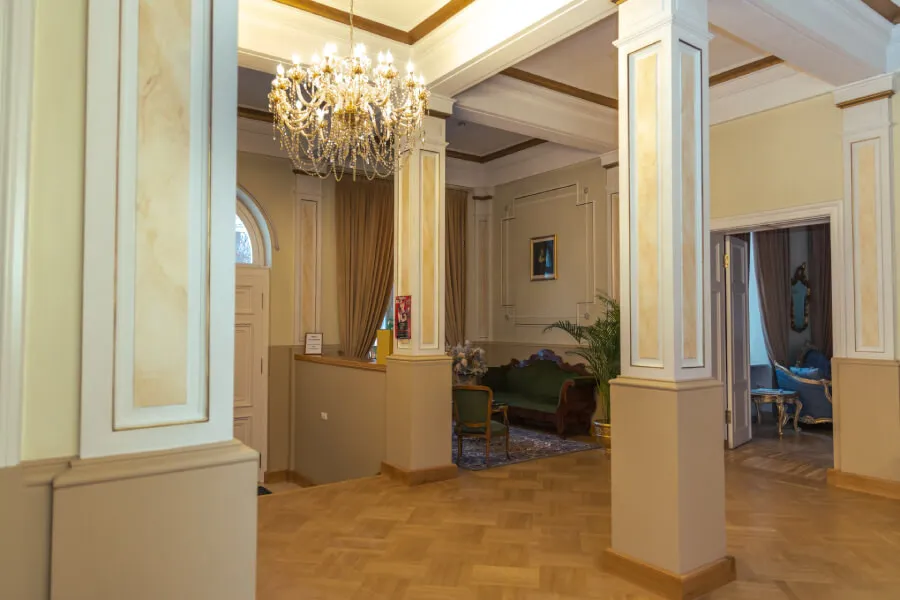
Around 1880, a Neo-Renaissance manor house was built on the Igate estate. Designed by architect Rudolf Zirkwitz for the von Pistohlkors family, the building was made restrained, elegant and harmonious — without excess, yet with the particular proportions and character that make the castle's silhouette recognisable to this day.
Time has left its mark on the castle.
In the 20th century its rooms rang with children's voices — in 1934 the castle was bought by the Latvian Children's Union, which set up a children's boarding school here and later a children's home. The property then passed into state hands, and the castle went through several more changes.
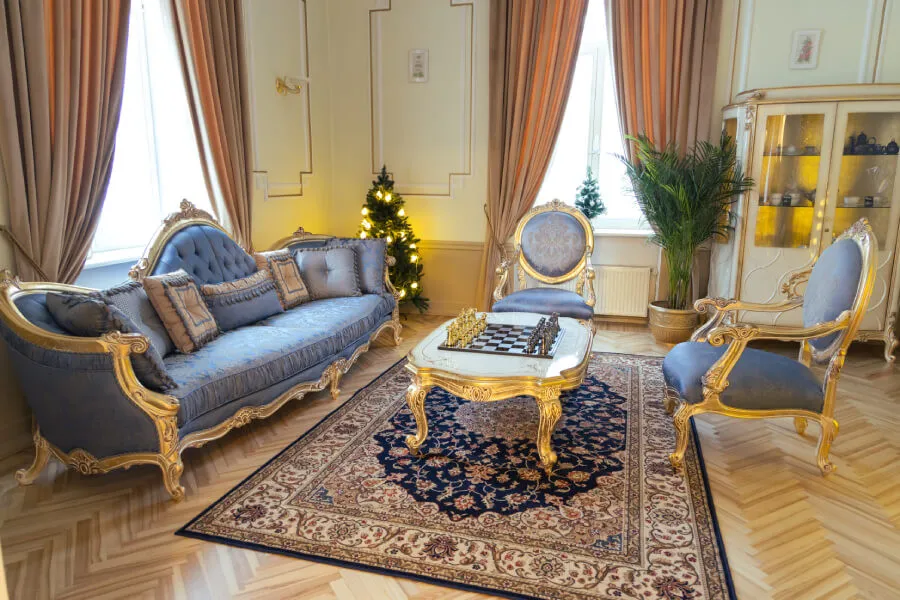
From 1972, Igate Castle was managed by the Ministry of Agriculture. Later, in independent Latvia, it came under state real estate management and gradually became known as a place for celebrations, weddings, banquets and life's special occasions.
But for every historic place there comes a moment when a new chapter begins.
02
On 25 August 2022, Igate Castle gained new owners.
The property was acquired at an open electronic auction by Edijs Ošs, owner of SIA “Palleteries”, while the day-to-day life and development of the castle were entrusted to Sintija Oša and her team. With two families — the Ošs and the Lācis families — joining forces, a new chapter in the castle's history began.
The aim was not simply to restore a building.The aim was to bring Igate Castle back to life.To preserve what is valuable.To restore what time had touched.
And at the same time to create a place where a historic setting is not a museum but part of a living experience.
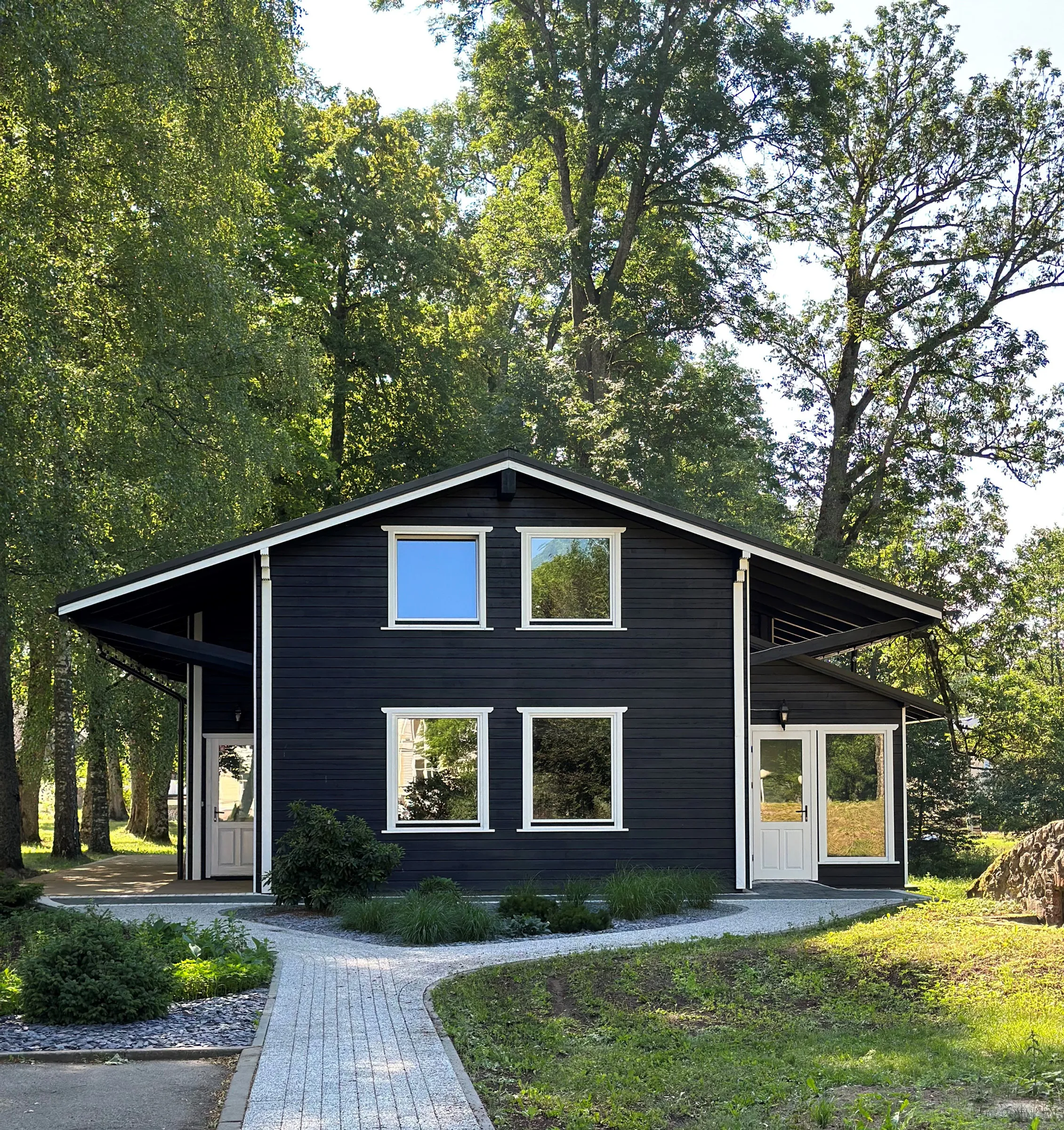
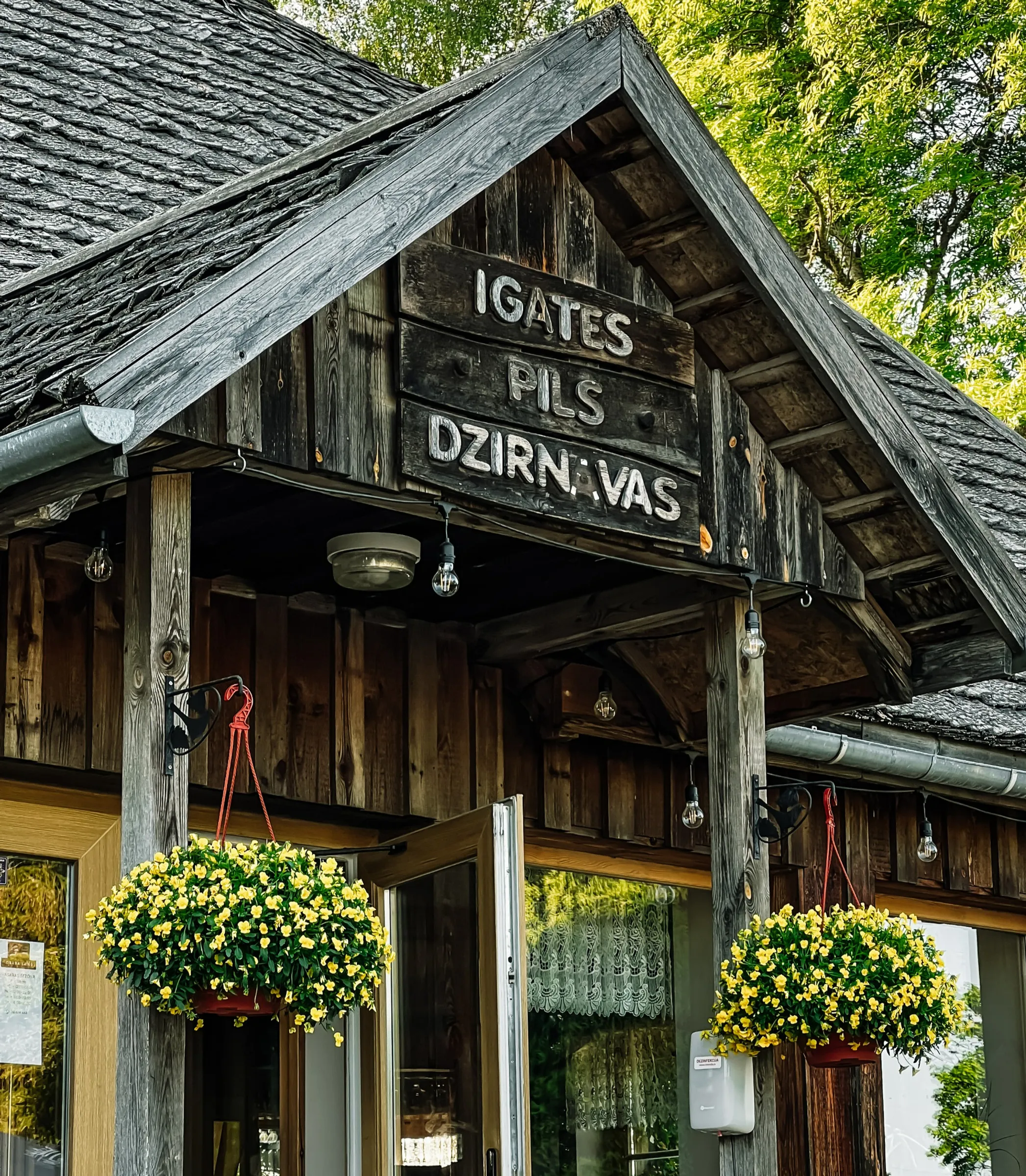
Today Igate Castle is a place where people come to celebrate life's most important moments, spend an unhurried weekend, enjoy a meal at the Mill Tavern, or simply stroll through the park and escape the everyday rush for a while.
Here you can still feel the presence of a story more than five centuries old.
Yet Igate Castle is not just a story about the past. It is a place where history is still being made today.
Igate Castle was first mentioned in written records in 1455, when Idsel Diederich Vietinghoff sold the village and manor to Peter von der Borch.
The estate's name has changed several times. Around 1880, a Neo-Renaissance manor house was built on the Igate estate. It was designed by Rudolf Zirkwitz for the von Pistohlkors family, the building displaying a restrained and refined simplicity.
In 1934, the manor house was bought by the Latvian Children's Union and the castle became a children's boarding school. In the summer of 1940 it was turned into a children's home.
From 1972, Igate Castle was managed by the Ministry of Agriculture. In 1996 it passed to the State Real Estate Agency and became a popular castle for weddings and other celebrations, with well-appointed rooms and a banquet and conference hall. The State Real Estate Agency ran the castle until 2022.
On 25 August 2022, the castle was acquired at an open electronic auction by Edijs Ošs, owner of SIA “Palleteries”, who then entrusted it to his daughter Sintija Oša and her team. With two families — the Ošs and the Lācis families — joining forces, the estate is managed and its historical heritage preserved, combined with a new, modern approach to its development.