

Start with the date, not the goal of the evening
This mistake happens very often, because the end of the year arrives quickly on the calendar. First, people look for a free Friday, then for a room, and only after that does the question arise: “What do we actually want to achieve this evening?” As a result, the event can become an accidental mix of dinner, presentation, and party.
It is better to start with one main sentence. For example: “We want to thank the team and calmly close an intense year.” Or: “We want to combine a review, informal conversation, and shared rest.” When the goal is clear, it is easier to choose the programme length, the pace of the meal, and whether the event needs an overnight stay at the castle or whether an evening without lingering is enough.
Planning the programme like a work meeting in a different room
A company year-end celebration is not just a presentation moved into a festive setting. The mistake happens when the logic of the workday is carried into the evening: long speeches, many slides, detailed figures, a report from every department. Employees listen formally, but the real event atmosphere starts too late.
A better solution is to divide the content into short segments. If a review is needed, let it be focused: the most important events, thanks, the direction for the coming year. After that, there should be room for conversation. A year-end party does not need to be empty, but it also should not be exhausting. At the end of the year, people usually value clarity, warmth, and the opportunity to finally talk outside everyday tasks.
Choosing a venue based only on a beautiful hall
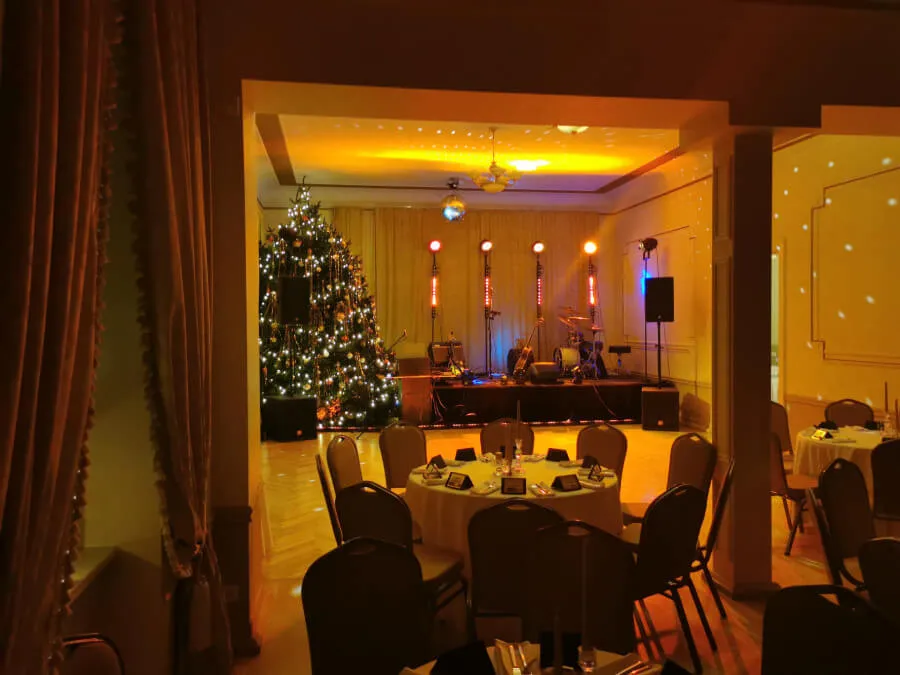
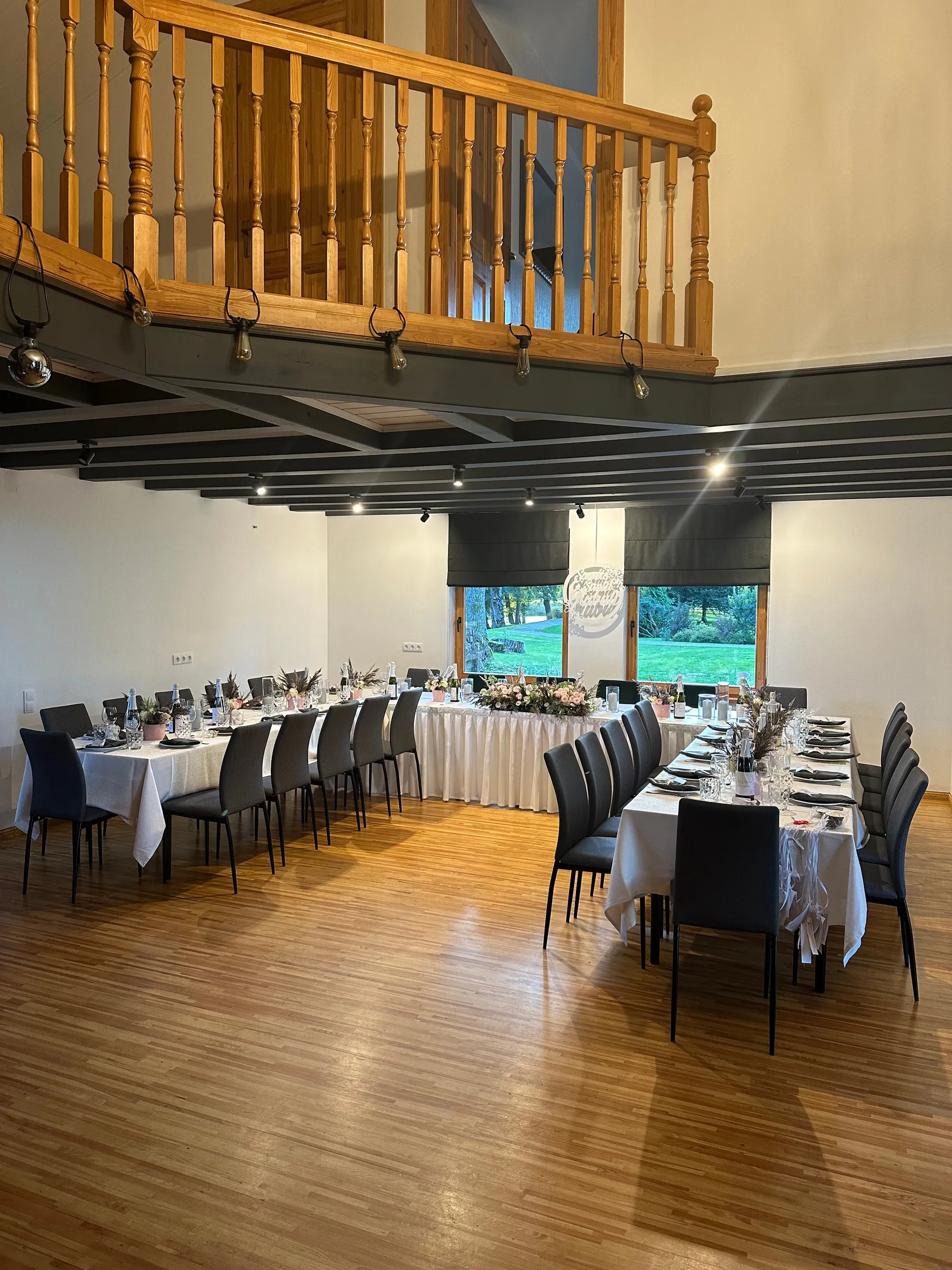
A beautiful room is important, but it is not the whole event. The mistake arises when people think only about how things will look in photos, and not about how guests will move around, where they will leave outerwear, where the welcome will happen, whether there will be space for a quieter conversation, and how guests will feel between programme segments.
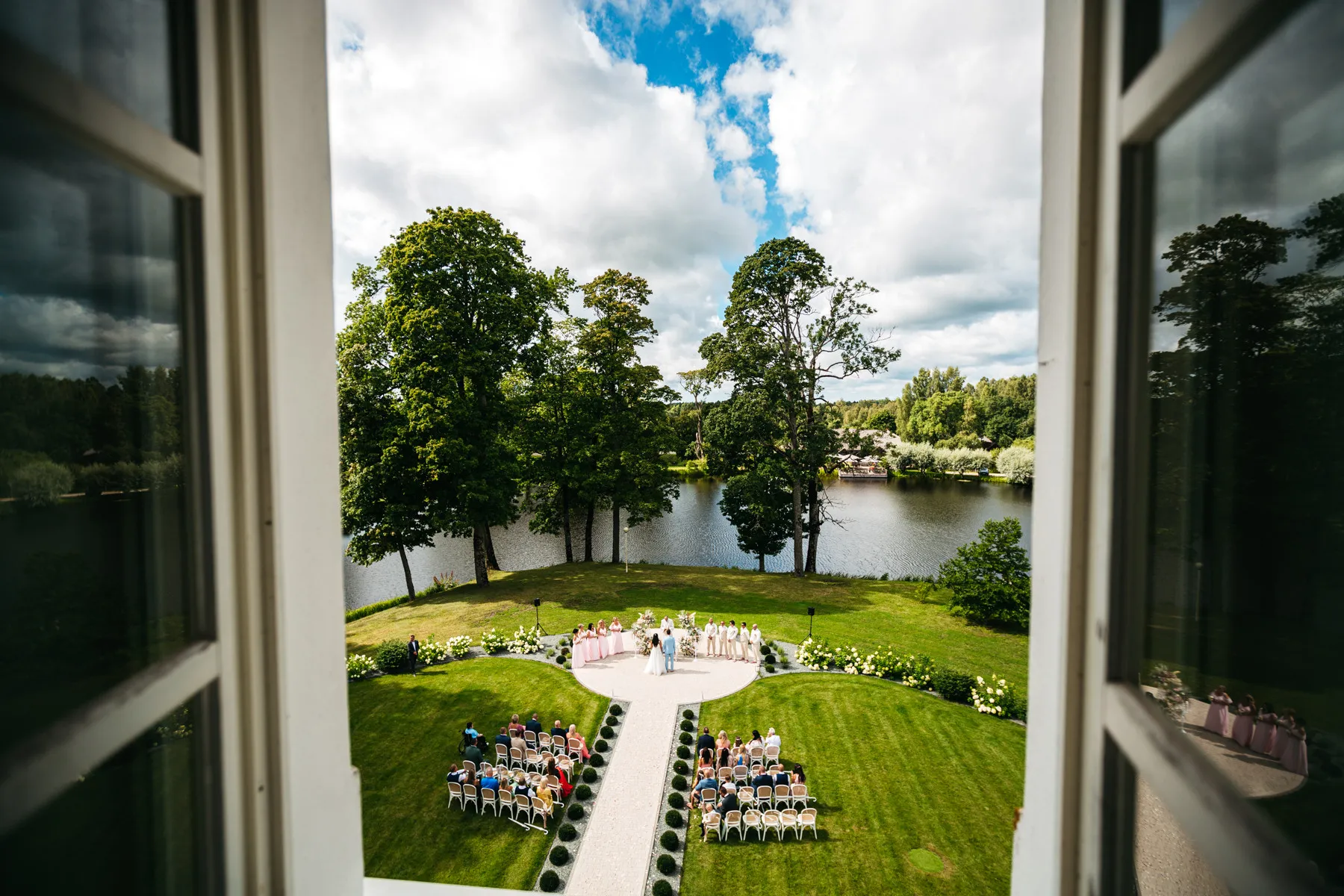
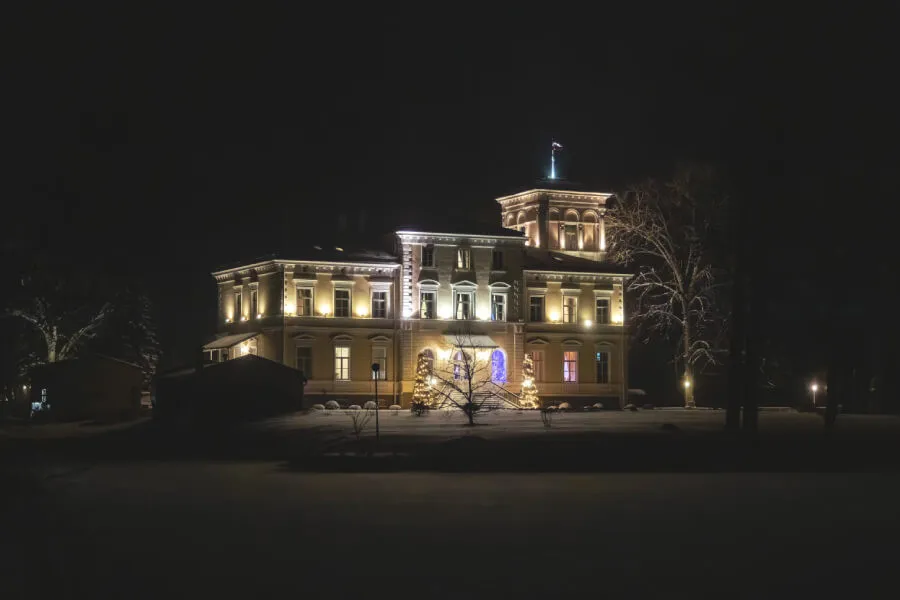
An event venue should be assessed as an evening flow, not as a single hall. Is there no need to stand in line upon arrival? Do people immediately understand where to go? Do the food, speeches, and informal part avoid competing with each other? The grounds of Igates pils are surrounded by Dzirnavezers and a well-kept castle park, and this setting helps the event begin even before guests sit down at the table — with a short walk, a breath, and the feeling that the workday is over.
Leaving food as the last organisational issue
Food at a year-end event is not just about “having something to eat.” It determines the pace of the evening. If guests wait too long for the first course or the snacks appear too late, conversations become fragmented and people think more about fatigue than about the celebration.
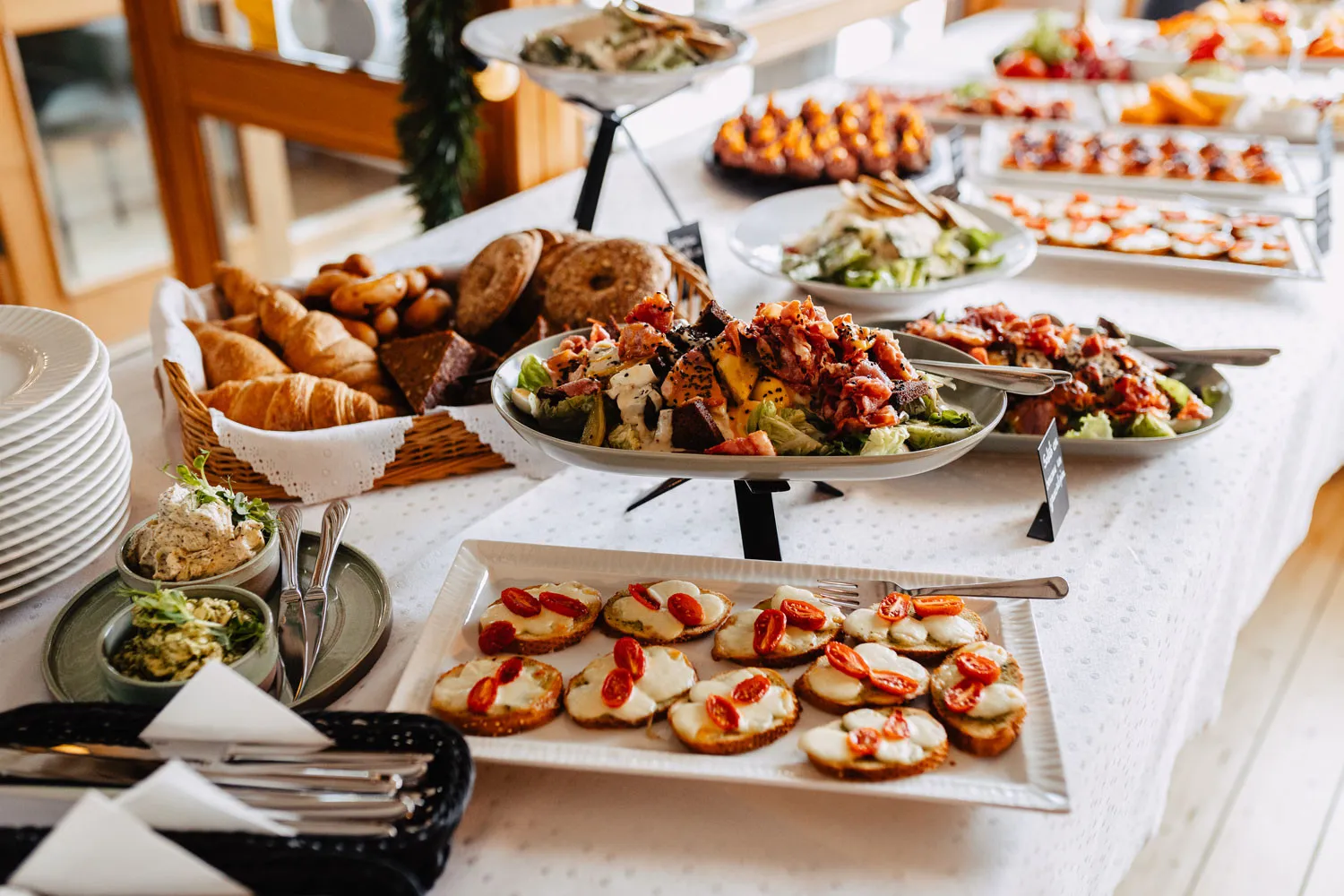
It is better to plan the food together with the programme. If arrival is after the workday, there should be a small welcome or a clear signal of when dinner will be served. If speeches are planned, they should not be placed at the moment when the food is already being served. At Pils Dzirnavu krodziņš, food is connected with Latvian flavours and the historical mill setting, so the meal is worth treating as part of the overall experience, not as a technical line in the budget.
Forgetting that guests arrive with different energy levels
For one employee, a company year-end event is a long-awaited break; for another, it is yet another obligation after a demanding month. The mistake is to plan the evening as if everyone were equally ready to dance, talk, take part in games, and stay until the end.
It is better to provide several levels of engagement. It is good if the more active programme is not mandatory for everyone. It is good if quieter colleagues have the opportunity simply to enjoy dinner and conversation. It is good if management speaks briefly and personally, rather than trying to force everyone into the same festive mood. This approach creates a respectful atmosphere in which people feel free rather than judged.
Thinking too late about overnight stay and departure
This mistake becomes especially noticeable when the event takes place outside the city. At first, it seems that the main thing is the evening programme, but later questions arise: who will drive, who will stay, how people will be assigned to rooms, and whether anyone will still have to think about the road home after midnight.
If the event takes place in Vidzeme, overnight stay can be an essential part of the experience, not just a practical add-on. For smaller teams, our holiday home on the grounds of Igates pils is suitable for seminars and corporate events for up to 30 people, with overnight accommodation for up to 19 people. This makes it possible to plan not only the evening, but also an unhurried morning — especially when relaxed time together is important for the team.
Confusing gratitude with public pressure
At the end of the year, management usually wants to say thank you. This is very necessary. The mistake begins when gratitude turns into compulsory highlighting, jokes at someone’s expense, or an overly long awards segment in which part of the team feels uncomfortable.
It is better to make gratitude specific but gentle. The team’s achievements, projects, and cooperation can be highlighted, not just individual “winners.” If awards are presented, their categories should be thoughtful and clear. Good gratitude lifts people up rather than putting them under the spotlight without choice. Especially at company events, this nuance stays in memory longer than the decorations.
Overdoing activities and leaving no empty spaces
Organisers often feel that an empty moment is a failure. That is why games, a host, speeches, a photo corner, music, competitions, and a few more surprises are packed into the programme. The evening becomes full, but not necessarily pleasant.
It is better to leave room to breathe. An empty space in the programme is not emptiness — it is an opportunity for people to talk, go outside, change conversation partners, call home, or simply be quieter for a while. Historical surroundings create atmosphere on their own, and they do not always need to compete with loud content. Especially at the end of the year, many employees need not another intense evening, but thoughtful rest.
Not thinking about the feeling of the next day
A year-end event does not end the moment the music stops. The mistake is to think only about the climax, and not about how people will wake up, have breakfast, say goodbye, and return to everyday life. It is often the next morning that determines the overall aftertaste.
It is better to decide from the outset whether there will be a shared breakfast the next day, a short walk, an informal morning round, or simply an unhurried departure without a programme. If the team has stayed overnight, there is no need to fill the morning with another work session unless that has been clearly agreed in advance. After a good celebration, people should leave with the feeling that the year has been closed, not that they have been given one more obligation.
If you are planning a company year-end event for a small team and want a setting with relaxation, a sauna, and overnight stay with us in Vidrižu pagasts, take a look at our holiday home and contact us about your idea.